On Boustrophedonic writing, on writing boustrophedonically
Boustrophedonic writing (from βοῦς, ox, and στρέφειν, to turn, literally "turning like the ox") is a style of writing alternate lines in reversed directions and mirrored letters. It is found in many scripts throughout the world, and even our good old Greek script was written like that in the Archaic Period.
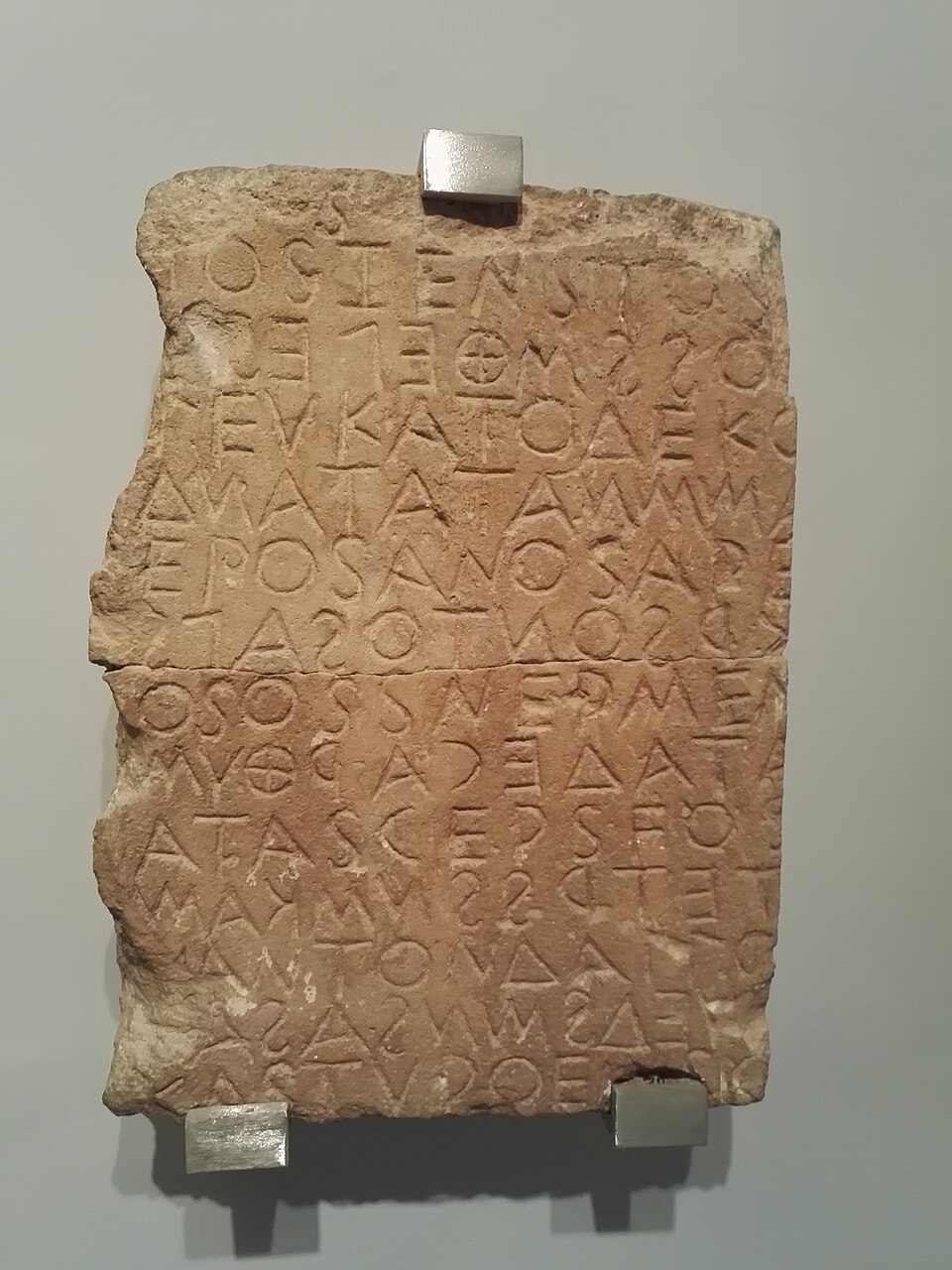
This style of writing has very obvious advantages and disadvantages. The processes of writing and (especially) reading are much more fluid. The only real disadvantage is that it is more difficult to learn (and it might be terrible for dyslexic people).
I use this style of writing in my personal handwritten notes. I took about two days to be able to write fluently (except for the correct writing of ‘d’ and ‘b’, which took a few weeks to get comfortable with).
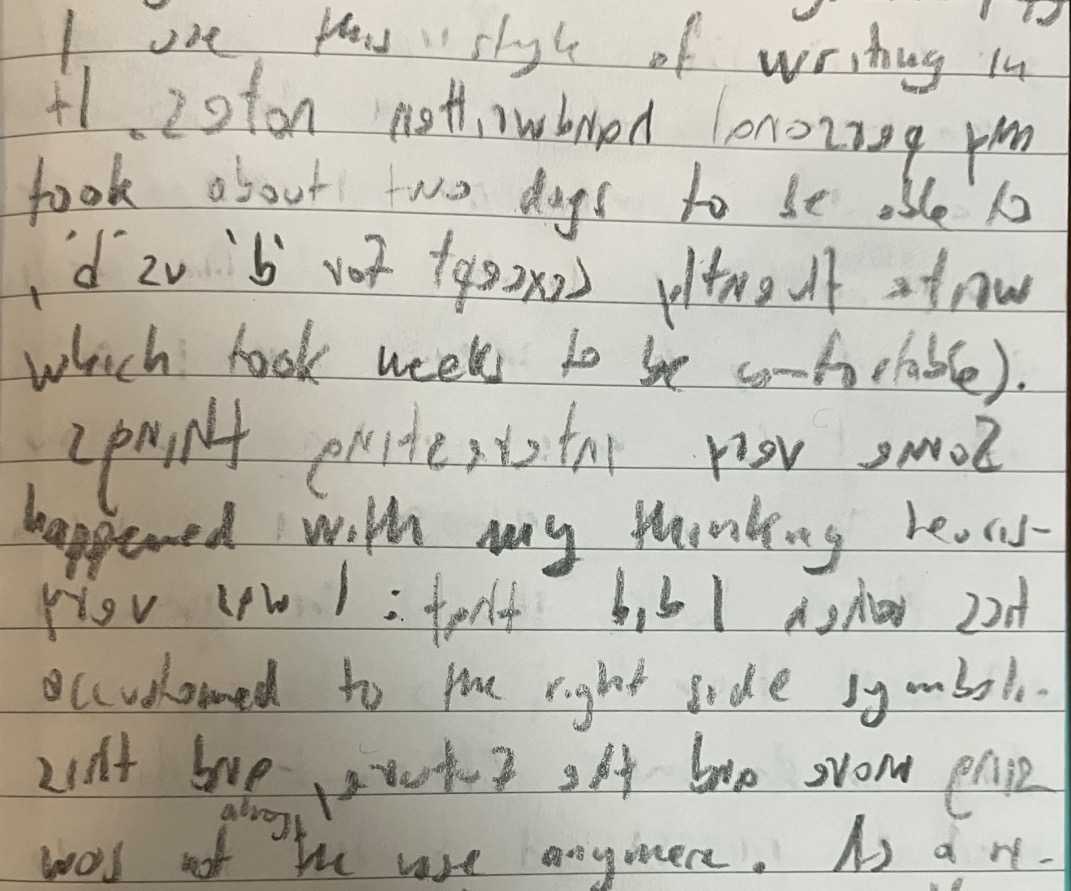
Some very interesting things happened in relation to my thinking heuristics (almost synæsthetic-like) when I did that: I was very accustomed to the right side symbolising more and the future, and this was not always the case anymore. As a result, my basic arithmetic skills got somewhat confused for some time (I am talking about simple operations like 7+5), because my heuristic for sums and rests was imagining a number line, so now I didn’t know which side was adding on which side was subtracting. This was all unconscious at the moment, I reflected on what was happening and I was able to find out the cause and the mechanism. I am convinced though that the causing factor was writing boustrophedonically, and not reading in that style.
I think it would be an improvement that all of us would learn to read boustrophedonically, and that books eventually would be printed boustrophedonically, it would make reading much more efficient, and also cooler.